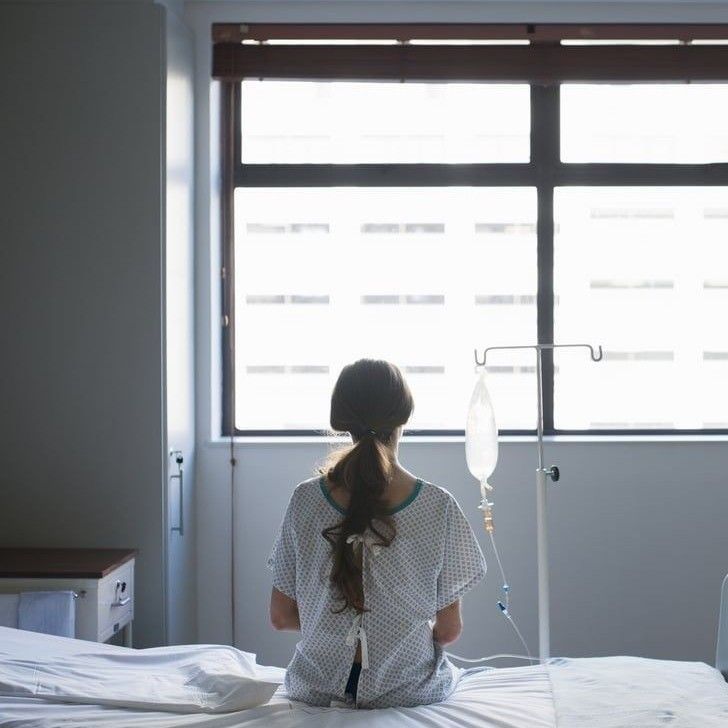
When I first heard the word “lymphoma”, I told myself the lab had made a mistake. When the doctors said “chemotherapy,” my mother burst into tears. And when he walked into my hospital room — too calm, too gentle, too beautiful for oncology — it was almost enough to make me cry too.
His name was Adam, and from the moment he spoke, I felt something shift. But I had no space for trust; I was too busy learning how to survive.
Yet somehow, he became the person who taught me how to live.
At first he was annoyingly professional — explaining horrifying treatments in a voice so soft it felt unreal. I looked at him and thought: a man like you does not belong in oncology.
But life is ironic, and in the first week of treatment he said:
“I’ll be here. As long as you need me.”

He meant it.
After shifts ended, he came back to sit with me. He brought tea I couldn’t drink, books I couldn’t focus on, and conversations that kept me sane. Nothing inappropriate — just two people lost in the dark who accidentally found each other.
I fell in love quietly.
Too quietly to notice.
But my consultant — a woman known as “the scalpel” — noticed immediately. She walked in one evening, saw him reading to me, and said:
“Adam. My office. Now.”
He returned colder. More distant. A careful, measured two-meter distance.
“We can talk,” he said, “but we do it the right way.”
I understood the ethics.
I understood his career.
But I also understood one thing: he kept his distance because he wanted more — and because he couldn’t have it.
That night, I asked:
“Don’t disappear. After all of this. Promise me.”
He smiled.
“I promise.”
But when treatment ended, we did what frightened people do — we vanished.
A few texts. A few calls.
Then silence.
He moved to another province.
I convinced myself he forgot me.
I was wrong.
Six Years Later — Fate Plays Its Cruelest Card
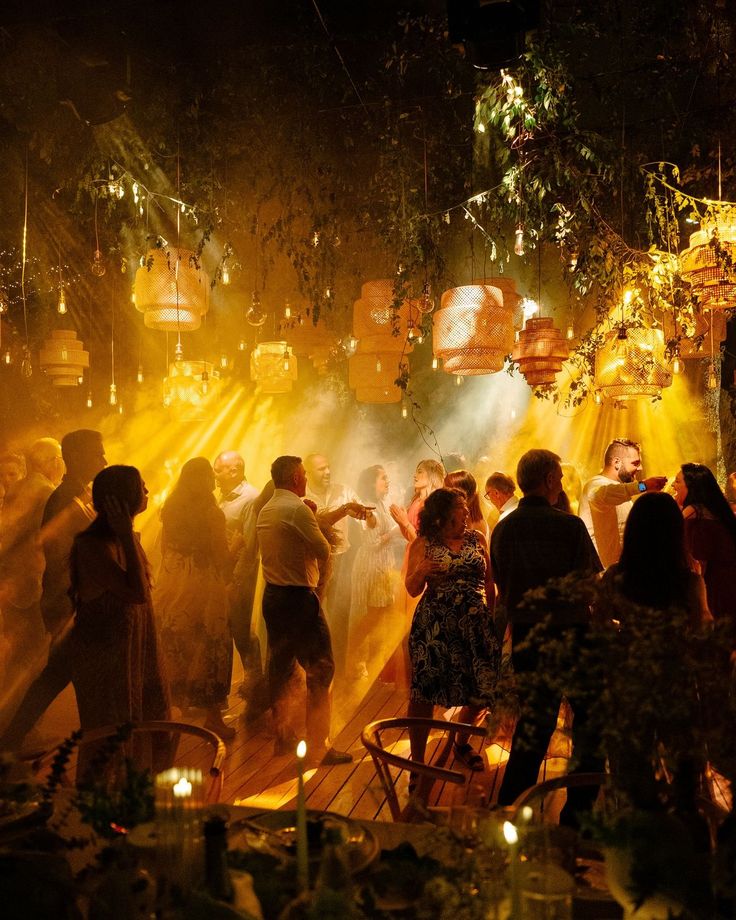
At a medical ball — where I was a friend’s plus-one — I saw him again.
Six years had added silver threads to his hair and something sharper in his eyes. He looked dangerously good.
He whispered:
“You…”
Before he could say more, someone stepped behind him —
my sister.
In a stunning dress. Looking… uneasy.
“Do you two know each other?” she asked.
Then came the first twist:
Adam had been my brother-in-law’s boss for half a year.
He had visited their home.
He had seen my photo on the wall.
He knew we might meet again — but didn’t know how I would react.
We ditched our dates and went outside.
“Why did you disappear?” I demanded.
He exhaled, looking down at the balcony railing.
“I didn’t disappear. I was protecting you.”
“From what?”
He met my eyes.
“You had a recurrence. Six years ago.
And I found out before you did.”
My world narrowed.
“It was a false positive,” he continued. “I was on shift in the lab. I checked it five times. When I confirmed the mistake… I stepped back. I didn’t want you to feel tied to me out of gratitude.”
“Not love?” I whispered.
He closed his eyes.
“I was in love with you back then. That’s why I left. So you could live without me shaping your choices.”
Then came the third twist:
“But I never forgot you. Not for a single day.”
We spent the entire night talking — six years condensed into two cups of coffee.
By morning, he asked:
“If I asked for a second chance… would you give it to me?”
I smiled.
“Deal.”
Our first kiss didn’t feel new — it felt delayed.
But our story wasn’t over.
Not even close.
Two weeks later, I went to his apartment while he was on a night shift. I’d been there dozens of times before — cooking together, watching films, falling asleep on the sofa — but that evening felt unusually quiet, almost hollow.
I wandered down the hallway, looking for a charger. That was the only reason I opened the study door — or rather, nudged it wider, because it was already half open.
What I saw inside changed everything.
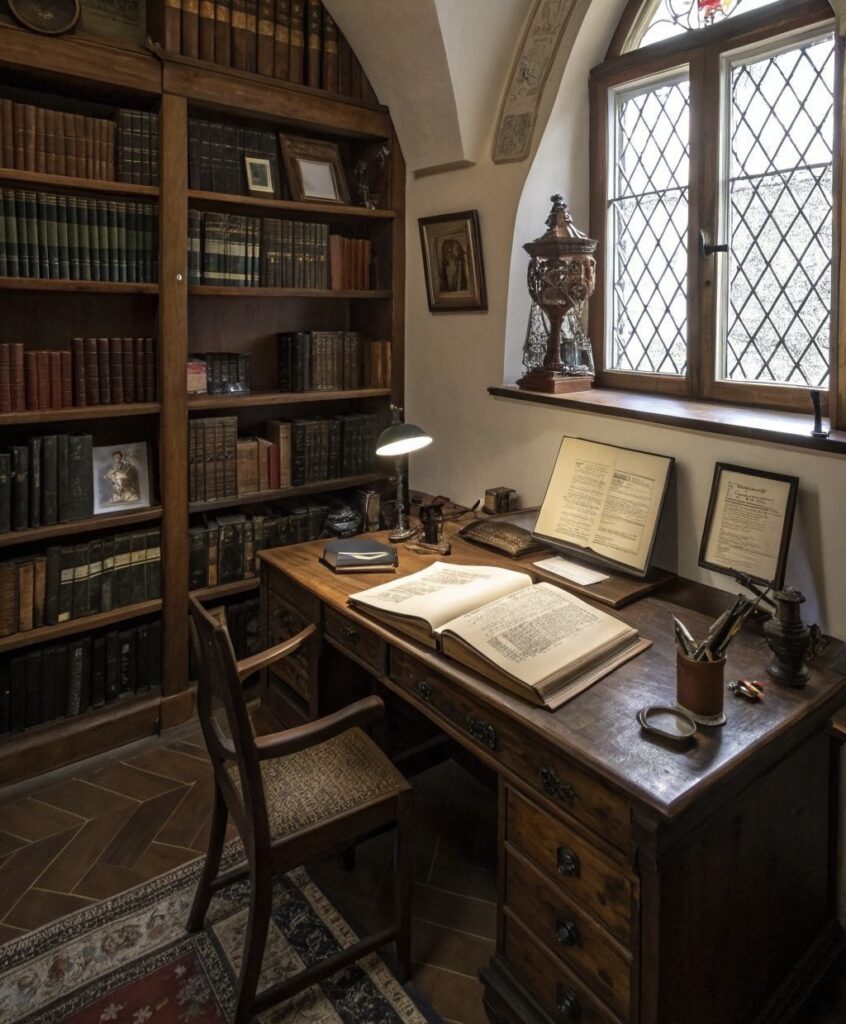
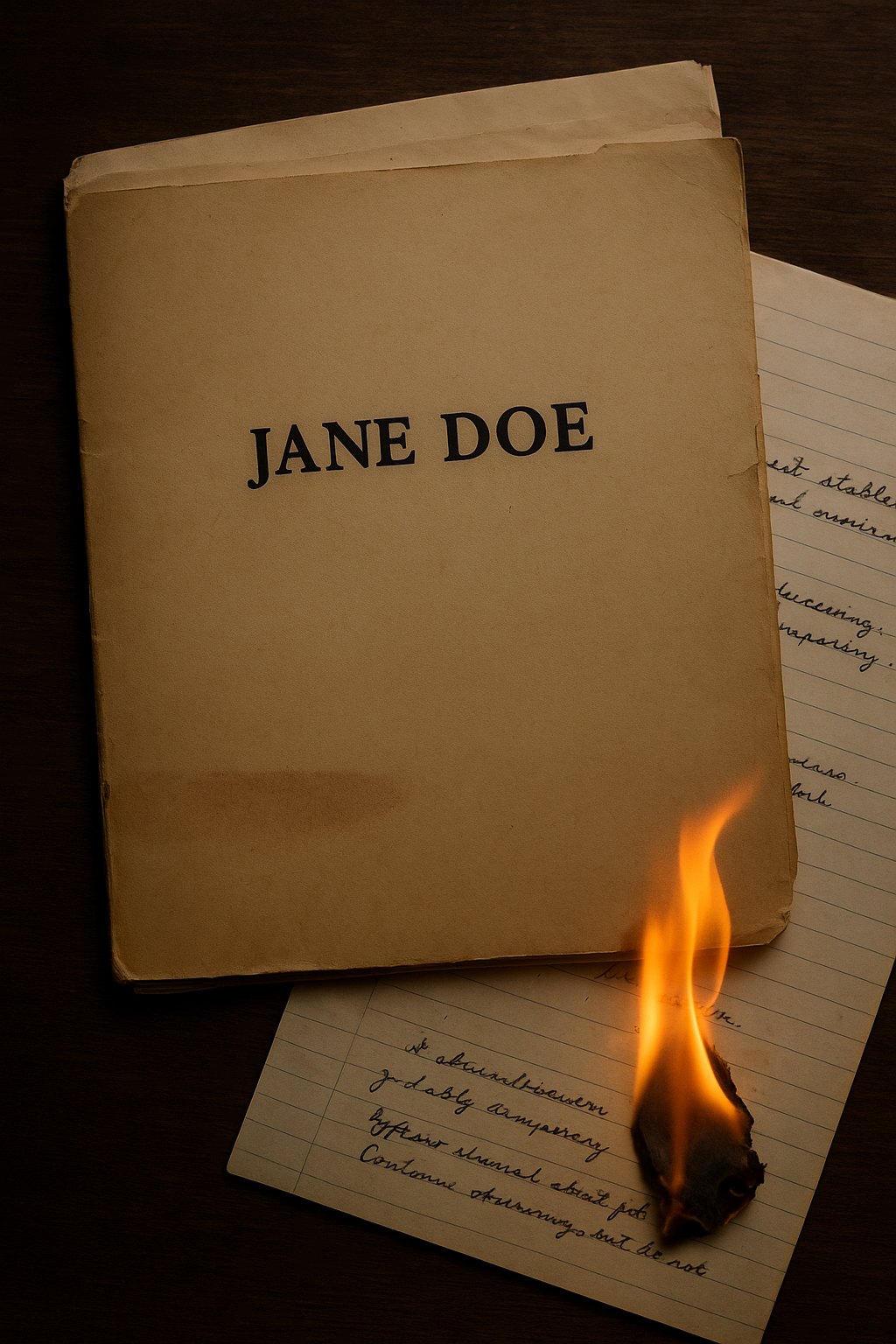
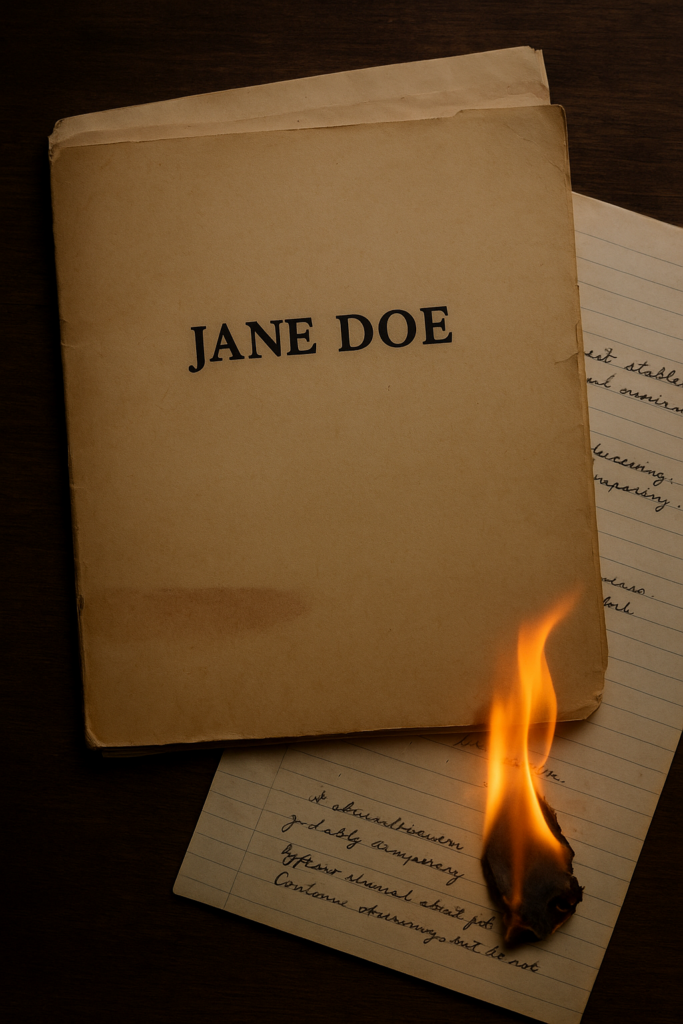
A folder sat on the corner of his desk. Old. Thick. Worn around the edges like something handled too many times.
And on the front, written in block letters, was my full name.
For a moment I just stared at it, confusion pressing behind my ribs.
But curiosity is a dangerous instinct.
I opened it.
Inside were things I hadn’t seen in more than a decade:
– every medical scan, blood test, biopsy result I’d ever had
– screenshots of my social media I didn’t even remember posting
– candid photos from family gatherings — my cousin’s wedding, my sister’s birthday — moments where Adam was nowhere near the room
– printed clippings from local newspapers in the towns I’d lived in
– a copy of an old rental contract I had signed when I was twenty-two
– and pages upon pages of handwritten notes
One note, dated five years earlier, struck me like a blow:
“Patient stable.
Not married.
New partner — probably temporary.
Appears stressed about job.
Continue observing, but do not make contact.”
It felt like ice water sliding down my spine.
He hadn’t forgotten me.
He hadn’t moved on.
He hadn’t disappeared.
He had been watching.
Tracking.
Documenting my life like I was still a patient on his list.
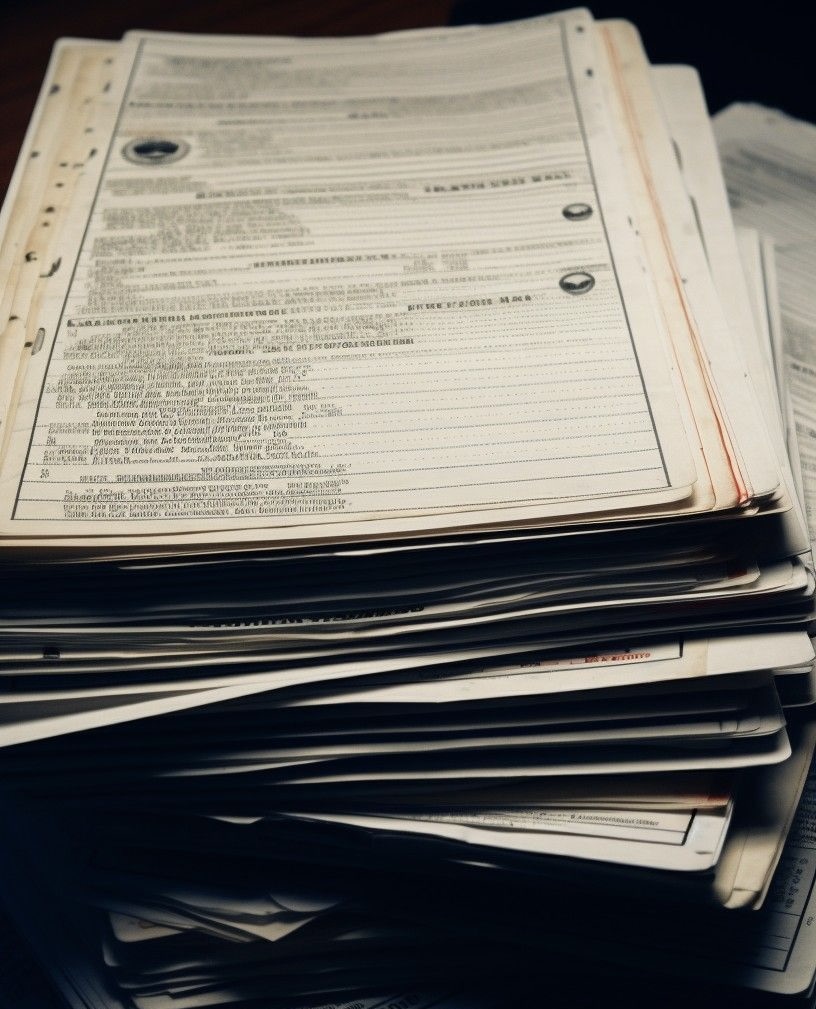
My pulse hammered in my ears. I didn’t know whether to feel horrified, violated… or heartbreakingly seen.
Because the truth was, part of me had wondered all those lost years if he remembered me at all.
The front door unlocked.
Too early.
He stepped inside, saw the open study door, and his entire body went still.
His eyes met mine — me holding that impossible folder — and something collapsed in his expression.
“I can explain,” he said softly.
“Explain?” My voice was shaking. “Adam, this isn’t love. This is obsession.”
He exhaled like a man admitting defeat.
“I was afraid,” he whispered. “Afraid of losing you again. Afraid you’d relapse. Afraid something would happen and I wouldn’t know. I told myself I was monitoring, just in case. That if anything went wrong, I’d be able to help. But I… I couldn’t stop.”
His voice cracked, not with madness, but with exhaustion — the kind I knew too well from hospital rooms and long nights waiting for results.
He wasn’t dangerous.
He wasn’t manipulating me.
He was broken in the same place where I had once fractured: the part that knows how easily life disappears.
But this… this couldn’t continue.
“If we want a second chance,” I said quietly, “this archive has to go. Every page. Every copy. Every trace.”
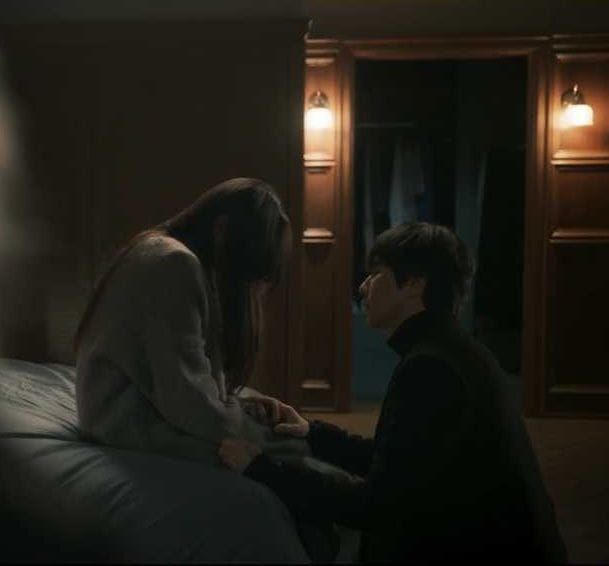
He nodded without hesitation.
So we stood together at his fireplace, feeding page after page into the flame.
My childhood address.
The test results he had memorized long after I’d forgotten them.
A decade of fear disguised as vigilance.
The fire burned bright, then soft, then low.
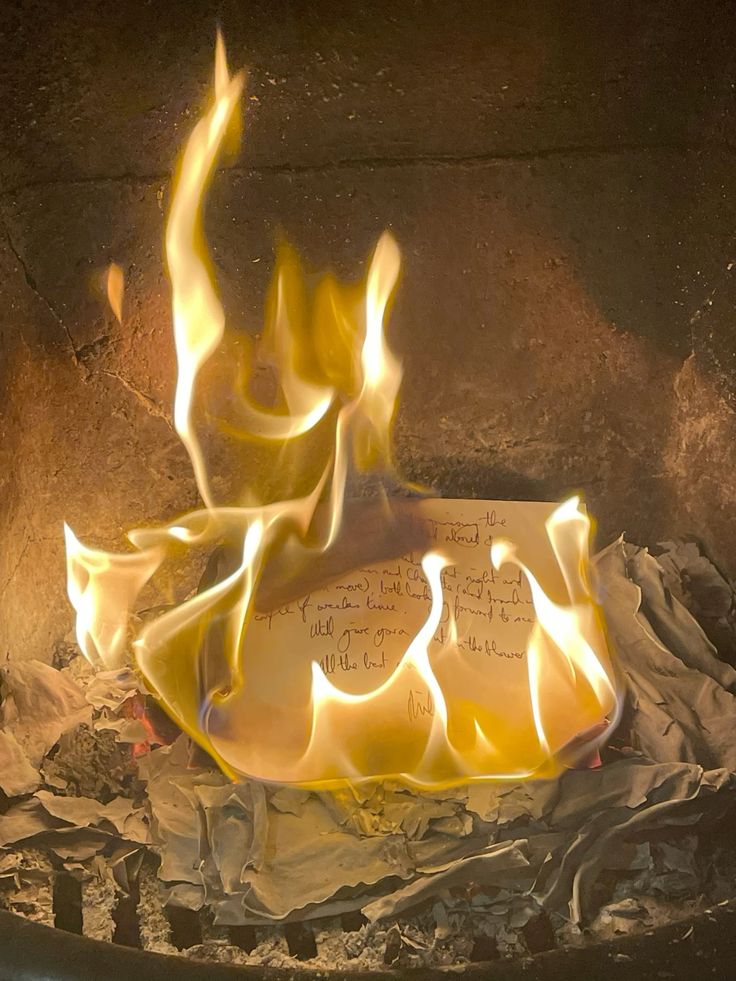
“This is the last time,” he said, voice barely above a breath. “The last time I hold you close to fear. From now on, it’s only close to me.”
And for the first time — truly — I believed him.
Our love wasn’t perfect.
It wasn’t neat, or simple, or easily explained.
It was strange.
Sharp.
Brutally honest.
But it was ours.
And that made it real.